
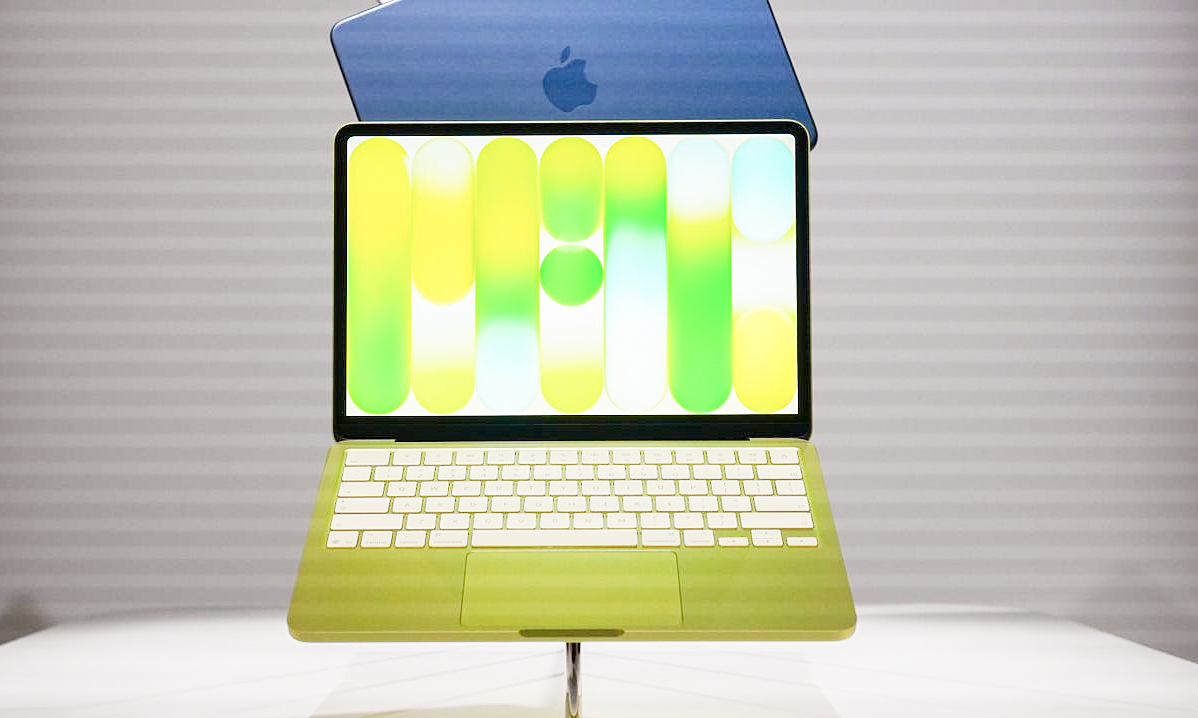
The $599 MacBook Neo is becoming a best-selling laptop, to the point that many Apple stores worldwide are running out of stock. It uses the A18 Pro chip, which was also found in the iPhone 16 Pro two years ago.
The A18 Pro version in the MacBook Neo even uses a 5-core graphics processor, one less than the version in the 2024 iPhone. “It’s possible Apple kept the A18 Pro chips with faulty cores. The faulty cores could be disabled to allow the chip to function normally, but they are mainly used in cheaper products,” the WSJ commented.

MacBook Neo. Photo: ZDnet
In fact, the information about the MacBook Neo using “imperfect” chips was first mentioned in April by Tim Culpan, a Taiwanese technology journalist and former Bloomberg reporter. Citing sources from the supply chain, he stated that the A18 Pro actually has a 6-core GPU, but during the chip manufacturing process, one CPU or GPU core was faulty. Instead of discarding it, Apple “re-selected” and used them for the MacBook Neo as a way to optimize the supply chain and costs. This means that, essentially, the 5-core chips were “free” for Apple, because otherwise, they would have been discarded anyway.
On the Culpium blog, Culpan stated that the MacBook Neo is selling so well that the supply of A18 Pro chips with a 5-core GPU will soon run out. According to him, Apple’s initial plan was to produce around 5-6 million MacBook Neo units, but demand is currently so strong that the company will run out of chips faster than expected.
This is the latest example of Apple applying a strategy of “squeezing” the benefits from “imperfect” processors, by categorizing them as good, better, and best quality to equip different products. “By utilizing components that don’t meet the highest standards, the company can still save money, reduce waste, and save time,” Culpan said. “In addition, they can reach a wider customer base that wasn’t previously included in the category.”
Previously, Apple also expanded its iPhone lineup with cheaper “e” models. For example, the iPhone 17e uses a “selective” Apple A19 chip and costs $599 – affordable enough to attract mainstream users.

Devices (marked in light blue) use A-series chips with fewer GPU cores compared to devices using “full” core chips of the same generation (dark blue). Source: WSJ
Analyzing nearly 200 pages of Apple documents, the WSJ pointed out that the company sells six A-series chips with one fewer GPU core in cheaper devices, after the full version appeared in the earlier-released, more expensive iPhone models. Specifically, products equipped with the A-series chip lacking one GPU core compared to previous models include the iPhone 13 and 13 mini, iPhone SE, iPhone 16e, iPhone 17e, iPhone Air, and the 2025 iPad Mini. According to experts, more than 200 million iPhones are sold annually. Therefore, even if a certain percentage do not meet specifications during production, Apple still has millions of A-series chips to reuse.
According to some sources, Apple’s “leveraging” strategy originated from the A4 – the company’s first self-designed chip. The chip first appeared in the 2010 iPad, followed a few months later by the iPhone 4, and then in the second-generation Apple TV box. At the time, this processor was criticized for consuming too much power and being unsuitable for smartphones, but it performed well on the Apple TV when plugged in.
The same thing happened with the S7 – the 64-bit dual-core processor Apple designed specifically for the Apple Watch Series 7. However, due to performance and battery life considerations, which are crucial for wearable devices like smartwatches, the chip was later used in the second-generation HomePod speaker.
However, as demand surged, Apple began to show signs of difficulty. According to Digitimes , the popularity of Neo forced the company to place additional orders for A18 Pro chips to maintain production. Even so, this wasn’t easy, as its partner TSMC was also struggling to meet the enormous demand for AI chips.
“Apple no longer has the flexibility it once did, and the pressure is starting to show,” Ming-Chi Kuo, a prominent analyst at TF International Securities, wrote on his blog.
In fact, in the financial report at the end of last month, CEO Tim Cook admitted that the company is facing a chip shortage and “cannot meet all customer demand.” For the MacBook Neo, Apple is now adjusting delivery times from one to two weeks instead of immediate delivery.
Bao Lam compilation
- MacBook Neo Performance Experience
- MacBook Neo – A Threat to Cheap Windows Laptops
- MacBook Neo Sells Out in Vietnam
- Asus CEO: MacBook Neo is a ‘Shock’
- Apple’s Pricing Strategy in the Face of Memory Chip Scarcity
 EN
EN  VI
VI
Leave a Reply
You must be logged in to post a comment.